
Page 3Services / Rising damp
Rising damp
How Homeguard finds it, treats it and puts the wall right.
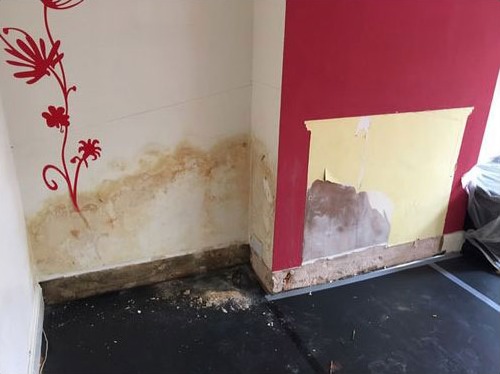
Rising damp is not always visible: it’s often hidden by decoration.
The treatment, and the survey that comes first
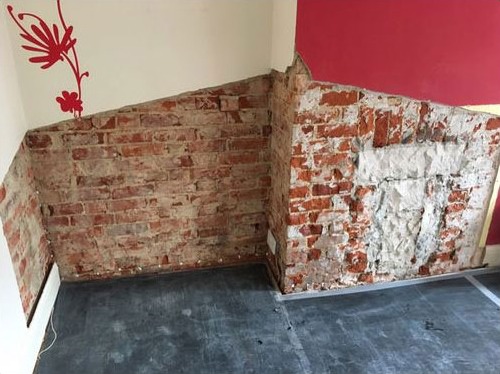
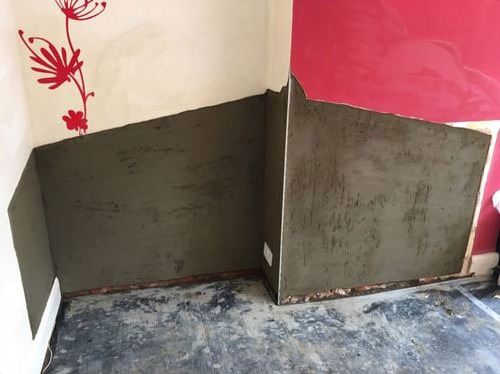
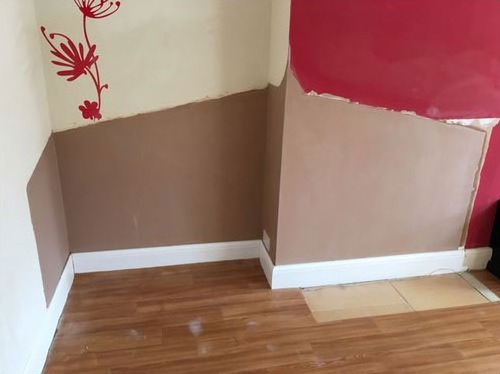
Homeguard treats it with a cream-based chemical damp-proof course, injected into small holes at low pressure, to BS 6576. Salt-contaminated plaster usually needs renewing as well.
It starts with a survey. Electronic moisture meters and non-invasive testing profile the damp in the property, and you get a detailed written report: the probable causes, recommendations and, where needed, a quotation.
Page 3How it works
How a survey works
Homeguard’s own four steps, from the first visit to the guarantee.
The four steps: inspection, written report, the work, guarantee
Step 1: Inspection
Homeguard inspects for damp, timber infestation and decay, basement waterproofing, condensation and mould.
Step 2: Written report
A report comes to you with the findings, the recommendations and a quotation if work is needed.
Step 3: The work
Completed to a high standard, “leaving a clean site and a happy client”.
Step 4: Guarantee
“We issue our own guarantees for 15 years depending on treatments.”
Request a surveyPage 8
The honest answer, in writing, starts with a survey.
A survey is where every job starts: the cause found, and the findings, recommendations and any quotation in writing.